



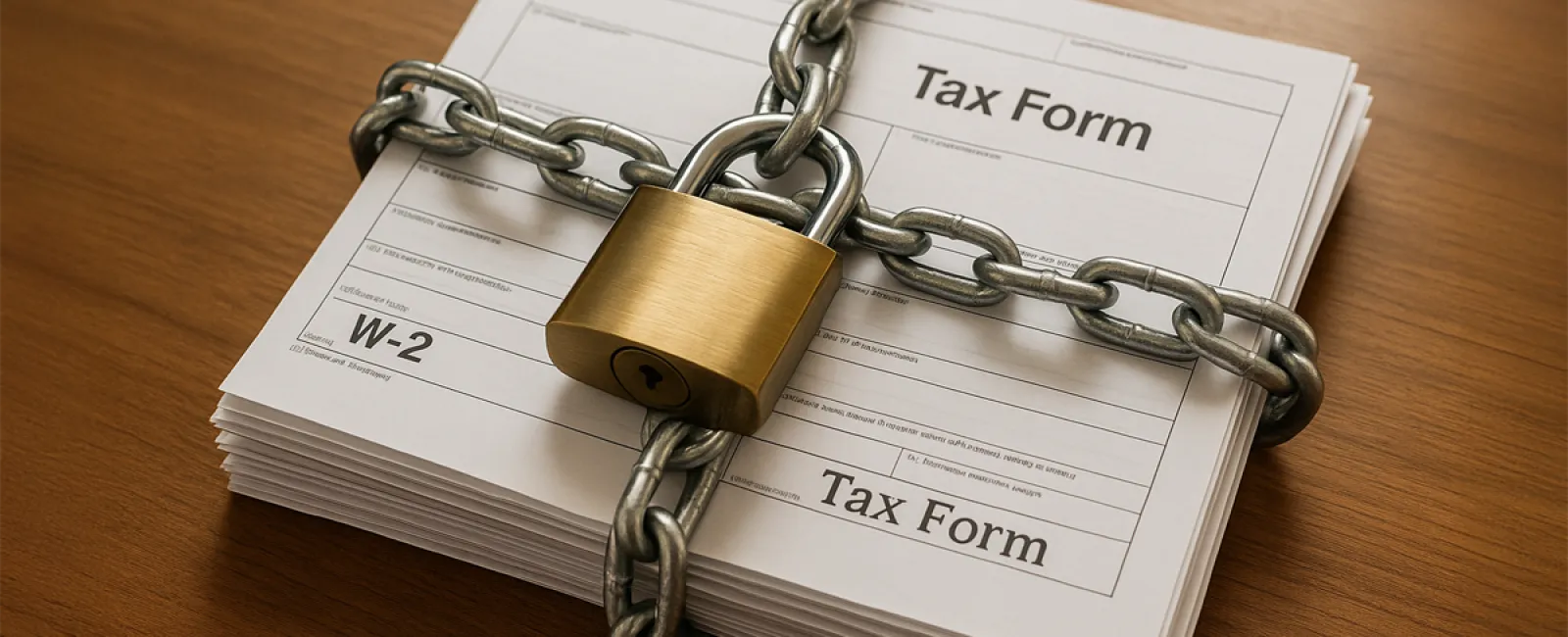
February signals the start of tax season, a time when accountants get busier and bookkeepers start gathering essential documents. W-2s, 1099s, and looming deadlines dominate everyone's thoughts.
But there's a hidden threat no one marks on their calendar: the initial tax-season challenge is often not a tax form, but a cunning scam.
One particular scam appears well before April, targeting small businesses with ease and credibility. It could already be lurking in an inbox within your organization.
Understanding the W-2 Scam: What You Need to Know
The scam unfolds like this:
An employee responsible for payroll or HR receives an email seemingly from your CEO, owner, or a high-ranking executive.
The message is brief and urgent:
"I need copies of all employee W-2s for a meeting with our accountant. Can you send them over immediately? I'm overwhelmed today."
This message appears legitimate. The tone matches tax season urgency, making the request seem entirely plausible.
The employee complies and sends the W-2 forms.
But the email isn't from the CEO—it comes from a fraudster using a forged address or a deceptive domain.
That criminal now possesses every employee's:
• Full legal name
• Social Security number
• Home address
• Salary details
All the information needed to steal identities and file fraudulent tax returns before your employees can.
The Aftermath: What to Expect
Victims typically uncover the scam when:
Their tax return gets rejected with a message: "Return already filed for this Social Security number."
Someone has already fraudulently filed taxes in their name and claimed the refund.
Your employee is then embroiled in IRS disputes, credit monitoring, identity theft protection, and months of recovery, all due to a fake email they never realized was a trap.
Imagine this happening across your entire payroll. Now consider the challenge of informing your team that their personal data was compromised because of a deceptive phishing scam.
This is more than a security breach—it's a crisis of trust, an HR dilemma, a potential lawsuit, and a serious blow to your company's reputation.
Why This Scam Is So Effective
This isn't an obvious phishing email from a foreign prince or shady source.
It succeeds because:
The timing aligns perfectly with expected W-2 requests in February, so no suspicion arises.
The request is sensible and familiar, unlike demands for wire transfers or gift cards.
The tone of urgency feels natural in a hectic office environment.
The sender appears authentic, with crooks thoroughly researching your company hierarchy and contacts.
Employees eager to assist their leadership often skip verifying urgent requests.
Protecting Your Business from This Tax Season Threat
The silver lining: this scam is entirely preventable through clear policies and a vigilant company culture—not just advanced technology.
Implement a strict "no W-2s via email" policy without exceptions. Sensitive payroll documents must never be emailed outside your secure network. If someone requests them by email, firmly decline—even if the request seems to come from the CEO.
Always verify sensitive requests through a separate communication channel: a phone call, in-person confirmation, or chat using pre-existing contact information—not the details in the suspicious message. A quick 30-second call can prevent months of trouble.
Hold a focused 10-minute meeting now to alert your payroll and HR teams about this spike in scams. Explain how they operate and your protocol for responding.
Secure your payroll and HR systems with multi-factor authentication (MFA) to protect employee data. MFA acts as a critical line of defense even if credentials are compromised.
Foster a culture where verifying requests is encouraged, not criticized. Employees who double-check suspicious emails should be applauded, creating an environment where scammers find no hiding place.
These five steps are straightforward to implement and powerful enough to block the first wave of tax-season scams.
Looking Beyond the W-2 Scam
The W-2 scam is just the beginning.
Expect a surge of tax-related fraud attempts before April, including:
• Fake IRS payment demands
• Phishing emails disguised as tax software updates
• Fraudulent communications from "your accountant" with harmful links
• Bogus invoices mimicking tax expense documents
Tax season's hectic pace makes businesses vulnerable as financial requests appear routine.
Businesses that emerge unscathed aren't lucky—they're well-prepared.
They maintain strong policies, ongoing training, and systems capable of intercepting suspicious activity before disaster strikes.
Is Your Business Prepared for Tax Season Risks?
If your procedures are already in place and your team is alert to these scams, you're ahead of many small businesses.
If not, now is the critical time to act—not after a breach occurs.
For tailored support, schedule a 15-minute Tax Season Security Check.
During this review, we'll assess:
• Payroll and HR access controls including MFA
• Verification protocols for W-2 requests
• Email safeguards against spoofing
• One essential policy adjustment most businesses overlook
If your business is already protected, fantastic. But if not, consider sharing this vital information with fellow business owners to prevent costly scams.
Click here or give us a call at (619) 349-5850 to schedule your free 15-Minute Discovery Call.
Because tax season is stressful enough without falling victim to identity theft.